The Real AI Guardrail Is Reversibility
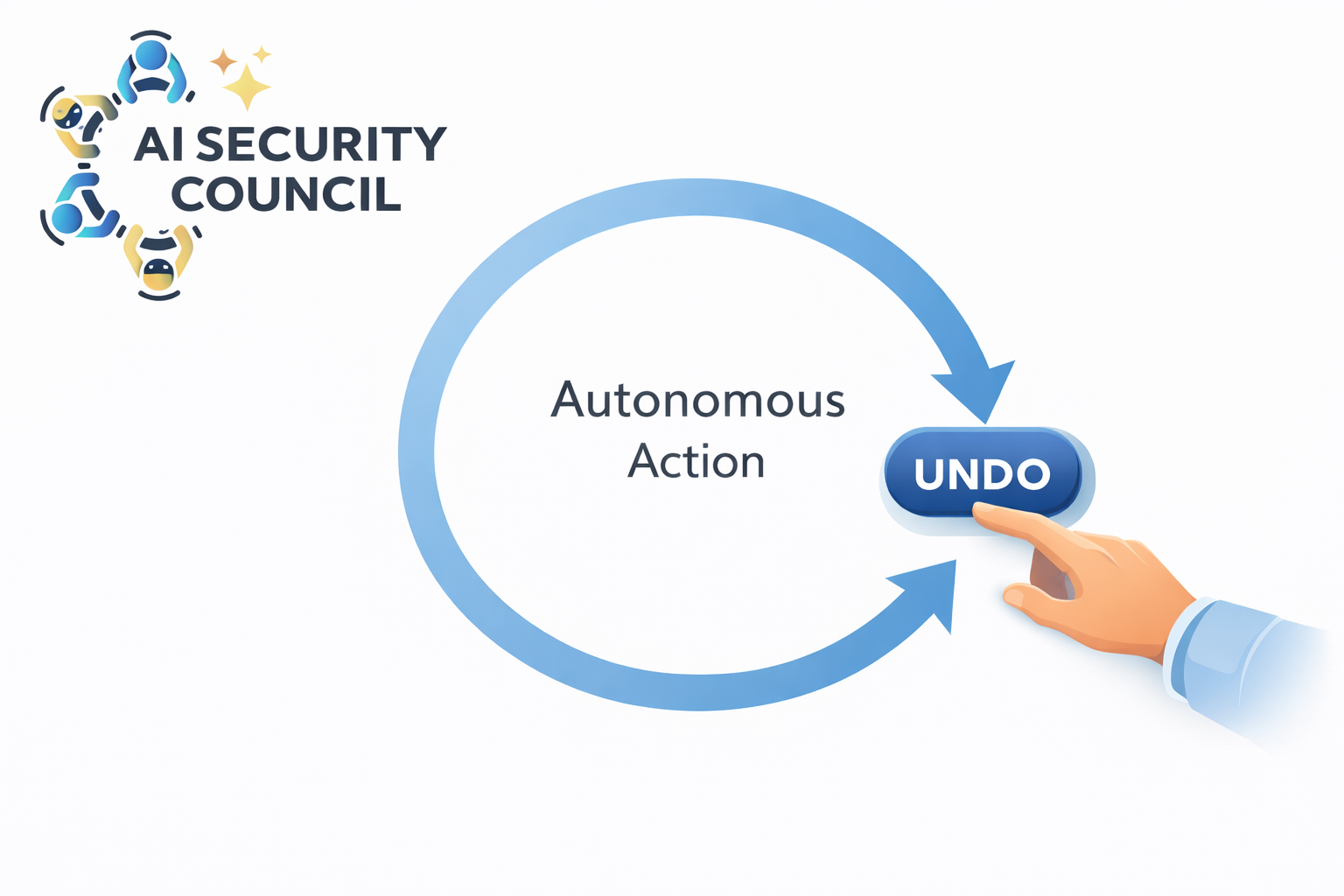
One of the most consistent lessons from the AI Security Council discussion was that most autonomy failures aren't caused by AI being “wrong.” They happen because the system did something that couldn’t be unwound fast enough. When autonomous actions outpace an organization’s ability to recover, we find the problem is "design."
Reversibility is the most practical guardrail organizations have. In the early stages of autonomy, actions must default to low-impact, easy-to-roll-back states. Quarantining a device, suppressing a noisy detection, or tightening a firewall rule can usually be reversed in minutes. Disabling payroll, altering identity entitlements at scale, or touching HR or financial systems can't. The panel was pretty clear that autonomy should expand only where recovery is fast and predictable, not where mistakes cascade.
This is where human-in-the-loop controls still matter. Not every action deserves the same level of automation. High-impact decisions need explicit human approval, even in otherwise autonomous workflows. Several participants framed this in terms of impact tiers:
- Low-risk actions can run automatically with monitoring.
- Medium-risk actions may require post-action review.
- High-risk actions demand pre-approval.
The guardrail is not stopping AI from acting. It is deciding where it is allowed to act alone.
Reversibility also forces discipline in how autonomy is engineered. Systems designed around irreversible outcomes create pressure to “get it right every time,” which is unrealistic. Systems designed around staged, testable, and rollback-safe actions assume error and plan for recovery. That mindset shift is what separates responsible autonomy from brittle automation.
Ultimately, reversibility is less about mistrust of AI and more about respect for operational reality. AI systems will drift. Conditions will change. Bad inputs will happen. Organizations that thrive with autonomy, are the ones that can undo mistakes before they become incidents.
This piece grew out of an AI Security Council working session, and the conversation hasn't stopped. For a deeper look at how these ideas become an operating model, where authority gets bounded before the AI acts, stays revocable while it acts, and leaves a tamper-evident record afterward, read Human in Every Loop Is Not AI Governance. And if you'd like to join a future Council discussion, you'll find upcoming sessions on the AI Security Council page.
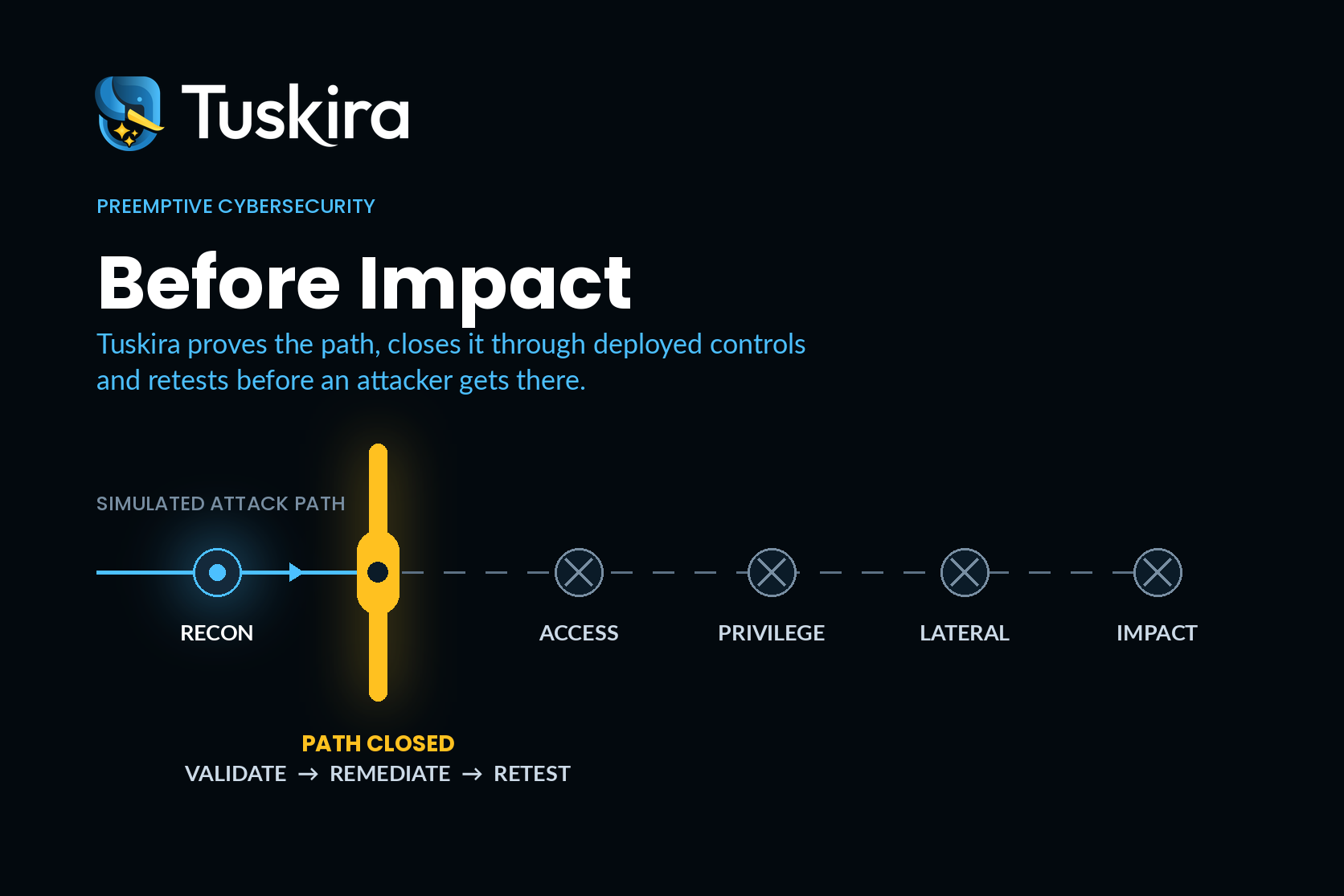
Tuskira Named in the 2026 Gartner® Emerging Tech Impact Radar: Preemptive Cybersecurity
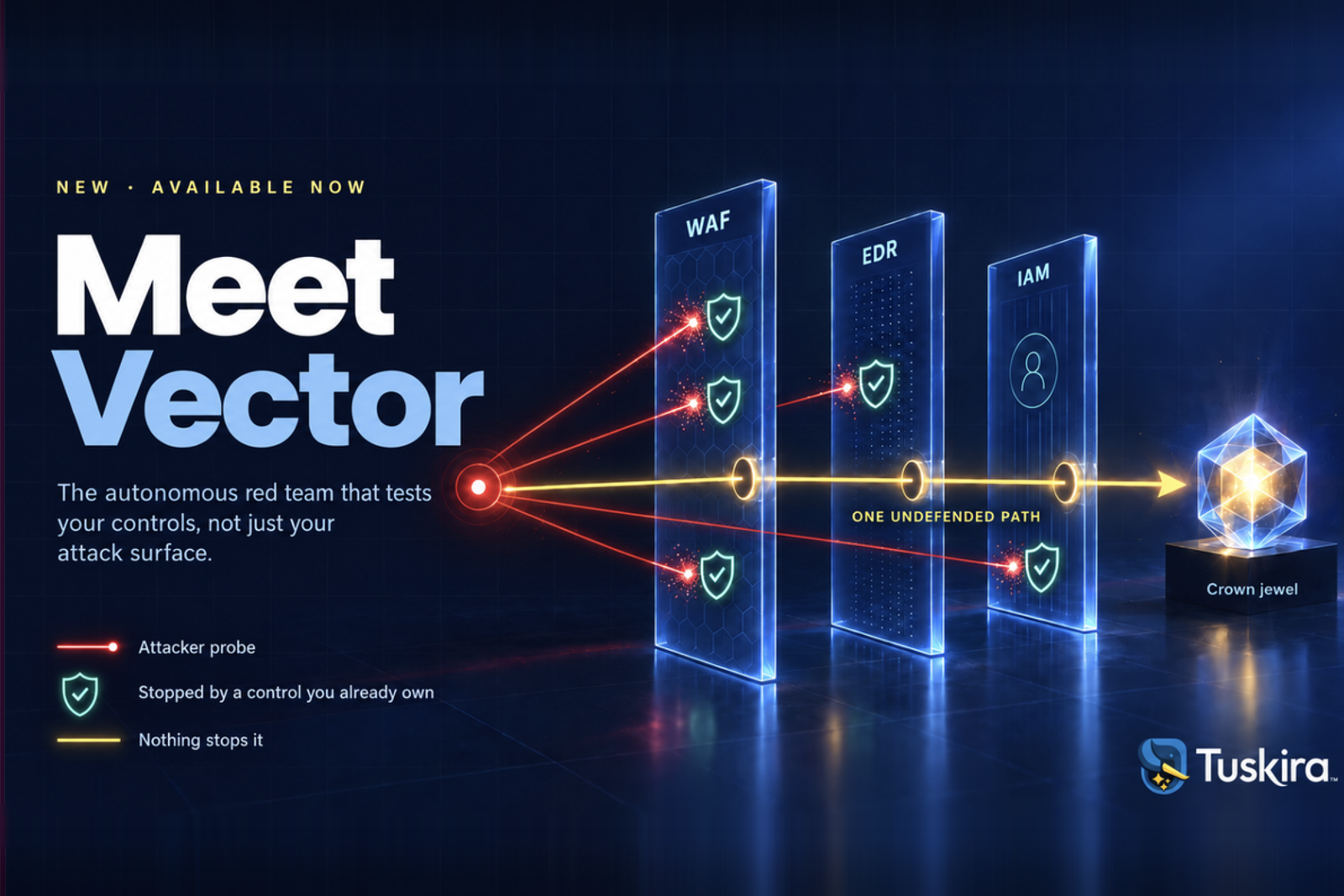
Meet Vector: Autonomous Red Teaming That Doesn't Stop at Exposed