
Tuskira Named in the 2026 Gartner® Emerging Tech Impact Radar: Preemptive Cybersecurity
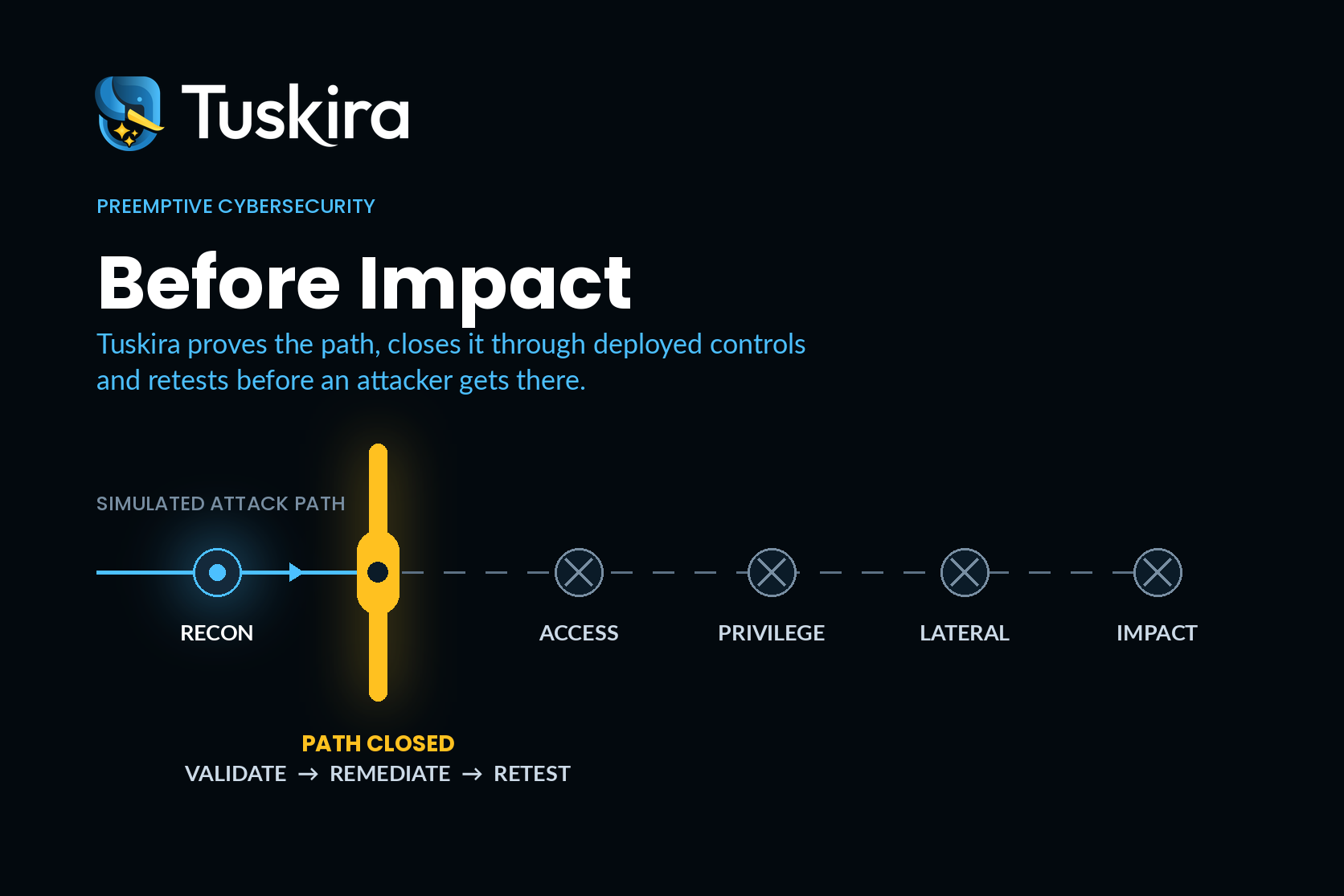
Tuskira has been named in the 2026 Gartner® Emerging Tech Impact Radar: Preemptive Cybersecurity, published 11 September 2026.
What the research covers
The research examines emerging technologies and trends that address risk from AI-enabled threats, and it is directed at product leaders building security offerings. The following quotes are reproduced verbatim from the research.
“Preemptive cybersecurity emphasizes acting before attacks occur and seeks to deny opportunities for adversaries to launch them. It aims to create a state where organizations neutralize threats before they manifest.”
“Gartner projects that by 2029, 60% of unified exposure management solutions will incorporate automated remediation, mitigation, and containment to interdict threats preemptively.”
Source: Gartner, Emerging Tech Impact Radar: Preemptive Cybersecurity, Elizabeth Kim, 11 September 2026.
The views that follow are Tuskira's own.
Finding an exposure is not the same as removing one
Most security programs are very good at the first half of the job. They can enumerate assets, ingest findings from a dozen scanners, and produce a ranked list. What they struggle with is the second half, where someone has to decide whether a given finding is genuinely reachable in this environment, then actually change something to close it, then confirm the change held.
That second half is where the backlog lives. It is also where the clock matters most, because the window between a vulnerability becoming public and it becoming weaponized can be extremely short. A list that grows faster than a team can work it is not a security program. It is an inventory of unresolved risk.
Proof has to come before action
The reason teams hesitate to automate remediation is not laziness. It is that automated change in a production environment is genuinely risky, and nobody wants to be the person who took down a payments system to close a finding that was never exploitable in the first place.
The way out of that trade-off is evidence. If you can safely and continuously simulate whether an attack path actually works against your controls as they are configured today, two things happen. Many findings may already be interrupted by deployed controls, allowing teams to focus action on the paths that remain open. And the paths that remain carry enough justification to act on with confidence.
This is the discipline Tuskira was built around. Validate first, so that action is narrow, defensible, and safe.
Closing the loop
Preemptive cybersecurity is an operating posture. Exposure is discovered, validated and remediated within approved policy, with human review required wherever risk or governance demands it. The exposure is found, its exploitability is tested against your live control stack, and a mitigation is recommended, staged or executed according to policy. Then the result is verified.
Tuskira unifies security context across the stack, validates exploitability through continuous simulation, and pushes mitigations back into the controls customers already own. The goal is verified closure: fewer open paths, each resolved with evidence.
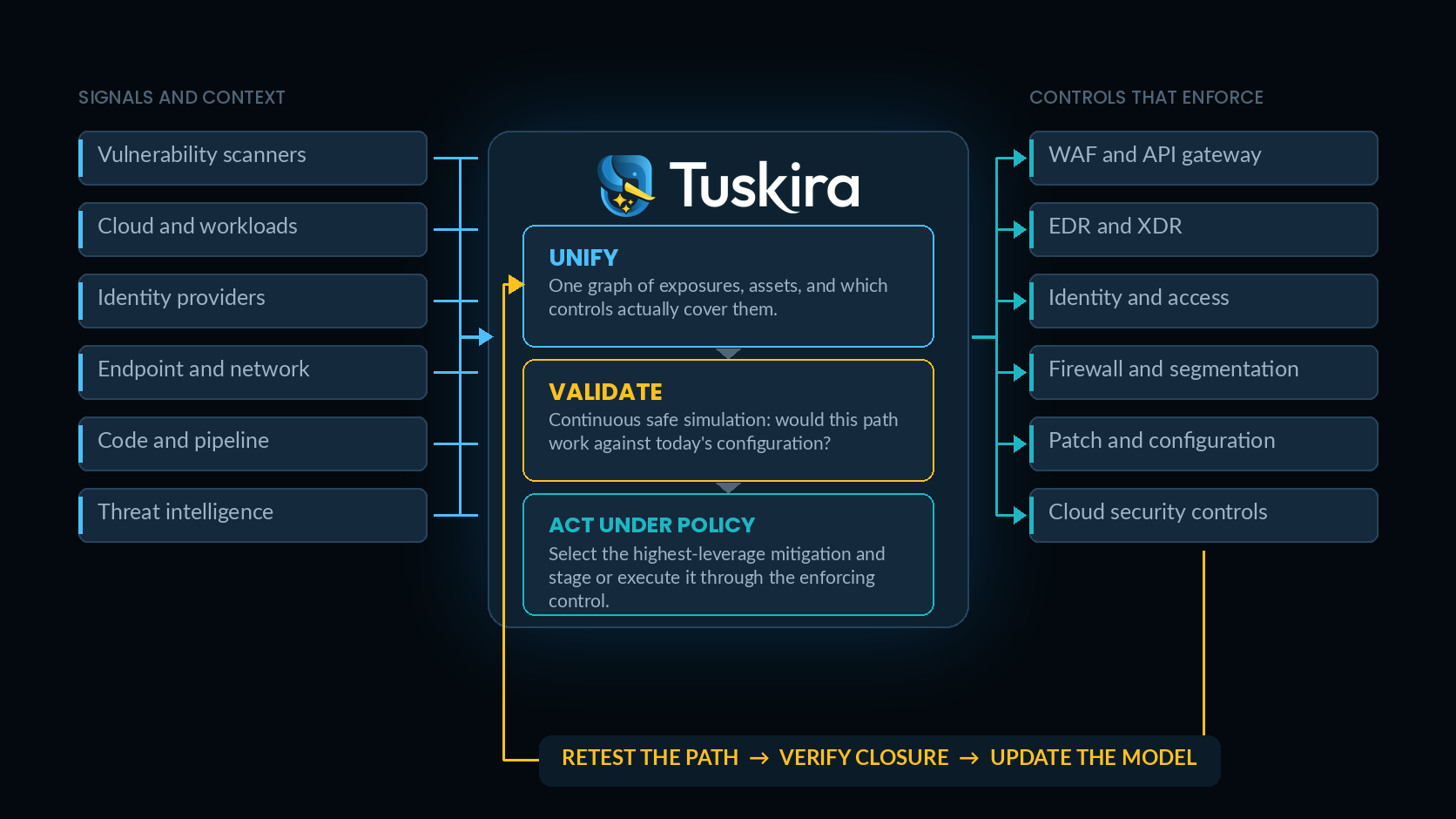
What verified closure looks like
A finding enters as scanner evidence. Tuskira connects it to the affected asset, reachable paths and deployed controls. Agents safely test whether the path can complete, then recommend, stage or execute an approved mitigation according to policy. After the change, they retest the path and record the result as defended, still exposed or closed.
Read the research
Gartner clients can access Emerging Tech Impact Radar: Preemptive Cybersecurity through the Gartner website.
Gartner, Emerging Tech Impact Radar: Preemptive Cybersecurity, Elizabeth Kim, 11 September 2026.
GARTNER is a registered trademark and service mark of Gartner, Inc. and/or its affiliates in the U.S. and internationally and is used herein with permission. All rights reserved.
Gartner does not endorse any vendor, product or service depicted in its research publications and does not advise technology users to select only those vendors with the highest ratings or other designation. Gartner research publications consist of the opinions of Gartner's research organization and should not be construed as statements of fact. Gartner disclaims all warranties, expressed or implied, with respect to this research, including any warranties of merchantability or fitness for a particular purpose.
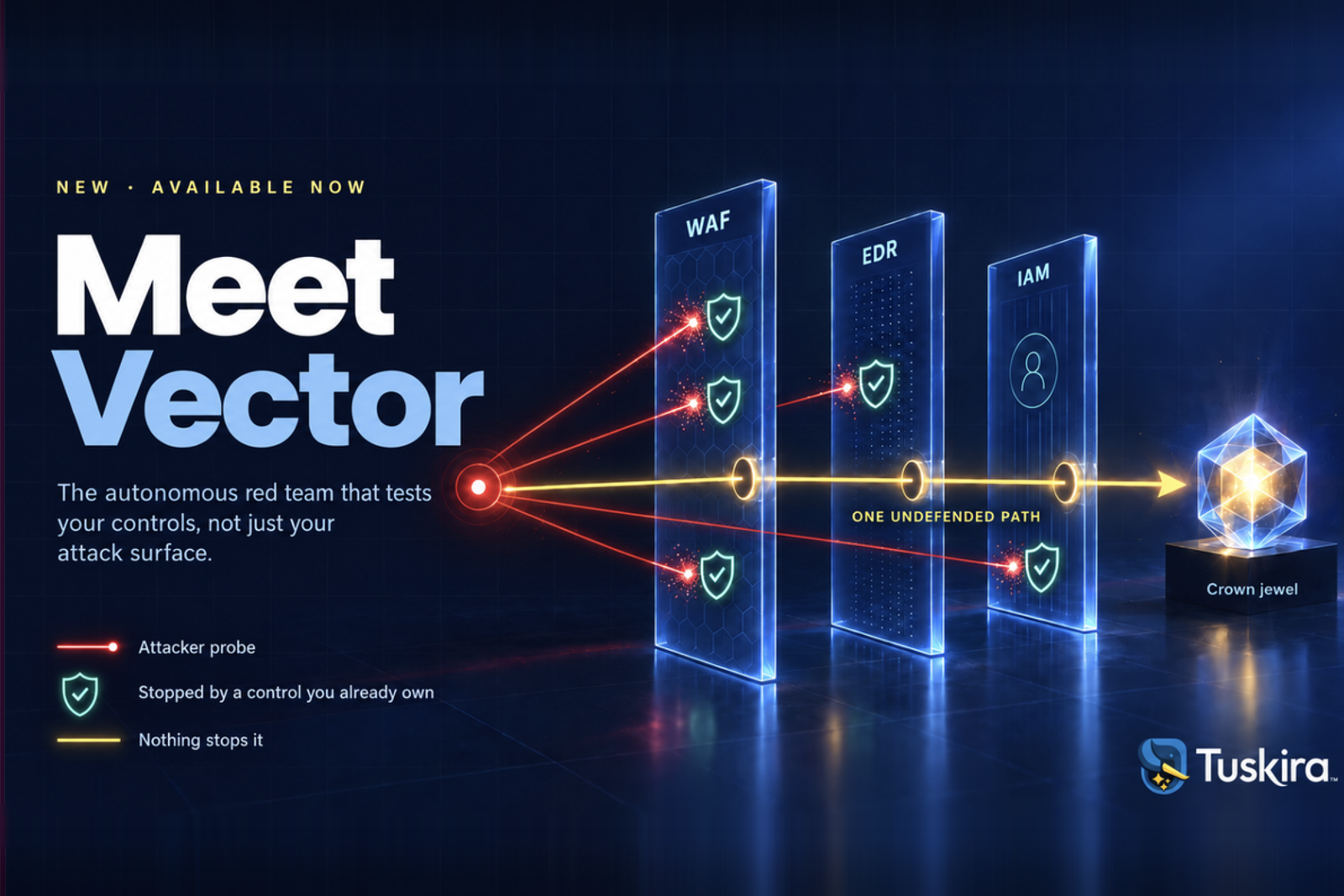
Meet Vector: Autonomous Red Teaming That Doesn't Stop at Exposed
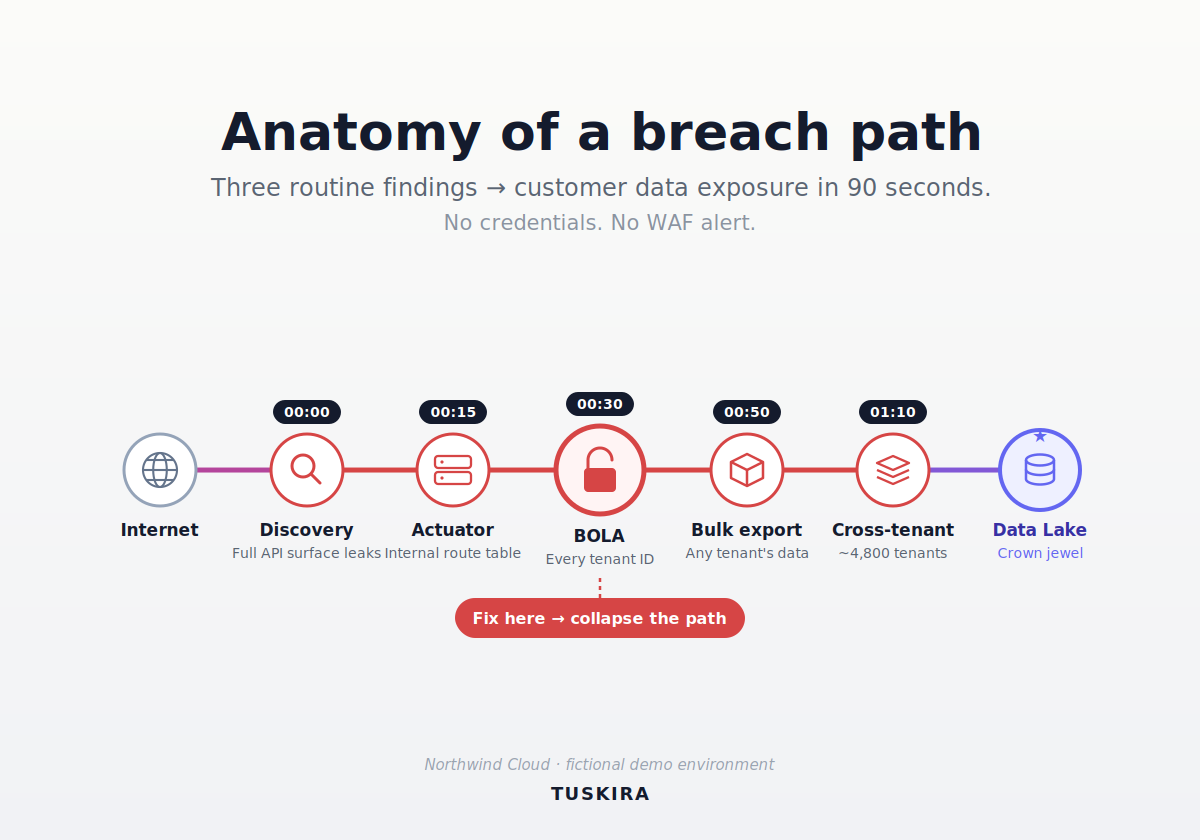
Anatomy of a Breach Path: How Three Boring Bugs Become a 90-Second Data Breach
