Tuskira Named in the 2026 Gartner® Emerging Tech: AI Vendor Race — Differentiate Agentic AI Reasoning With Cost-Efficient Deployment
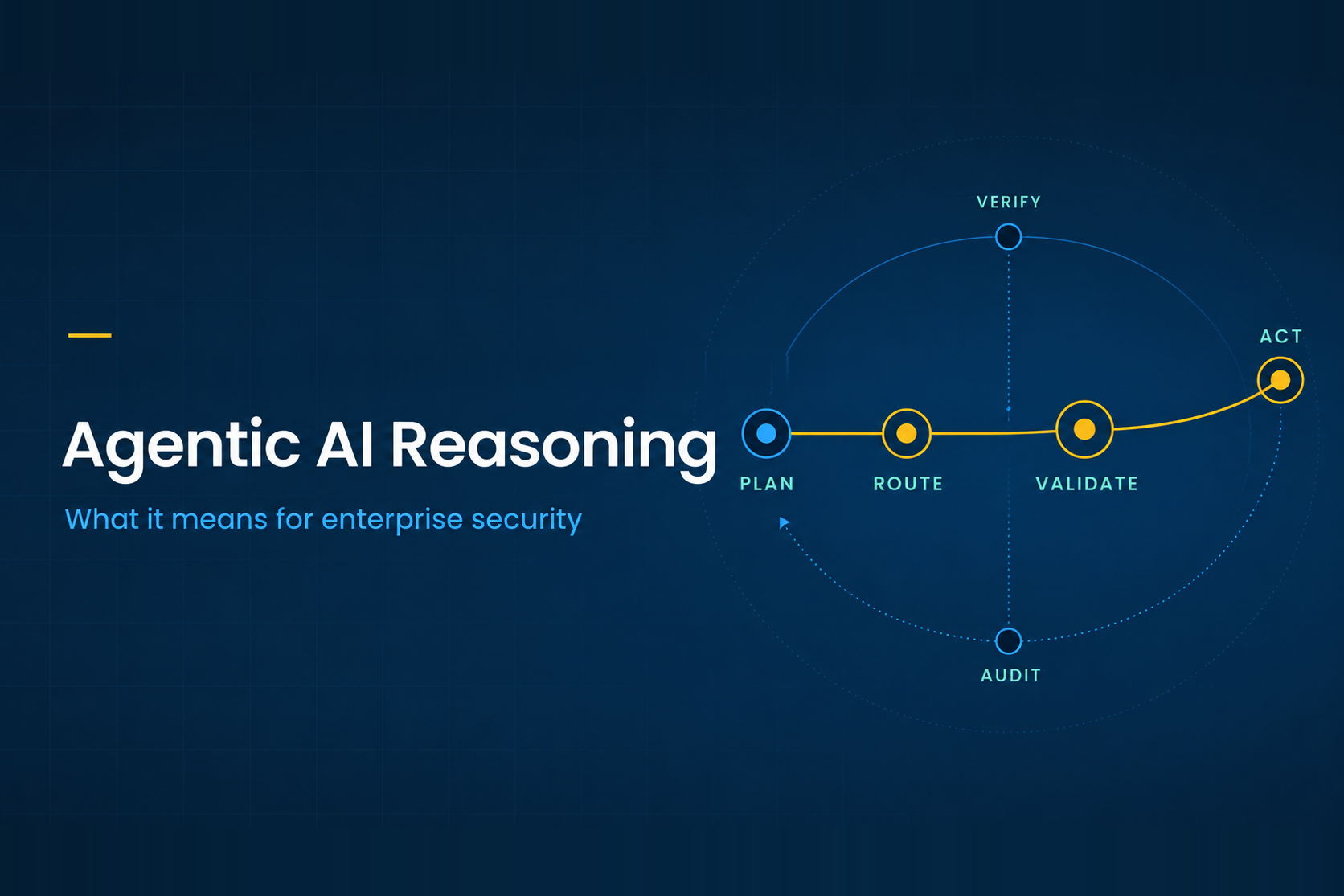
Tuskira has been named in the 2026 Gartner® Emerging Tech: AI Vendor Race — Differentiate Agentic AI Reasoning With Cost-Efficient Deployment report, published 6 July 2026. We're pleased to be included.
What follows is Tuskira's perspective on where enterprise AI is heading. It is our opinion, and ours alone.
Our take: the agent race is an architecture race
Reasoning models are the planning and decision-making layer behind agentic AI: they break complex work into steps, weigh alternatives, and explain their decisions rather than pattern-matching a one-shot answer. In our view, the next competitive battleground for agentic AI isn't bigger models. It's reasoning architectures that are efficient, governed, and specialized. Enterprise buyers are beginning to evaluate AI platforms less by the model behind them and more by the architecture around them: how reasoning is routed, governed, and applied to real-world workflows.
Security operations is exactly the kind of high-stakes, compliance-driven environment where those characteristics matter most. For security teams, the question is shifting from “should we trust AI agents?” to “which agents are architected to earn that trust?”
The architectural decisions we've made
We didn't approach AI as a layer on top of existing workflows. We built Tuskira as a Unified Threat Operations platform where purpose-built AI agents reason over security context: your detections, your exposures, your controls, your environment.
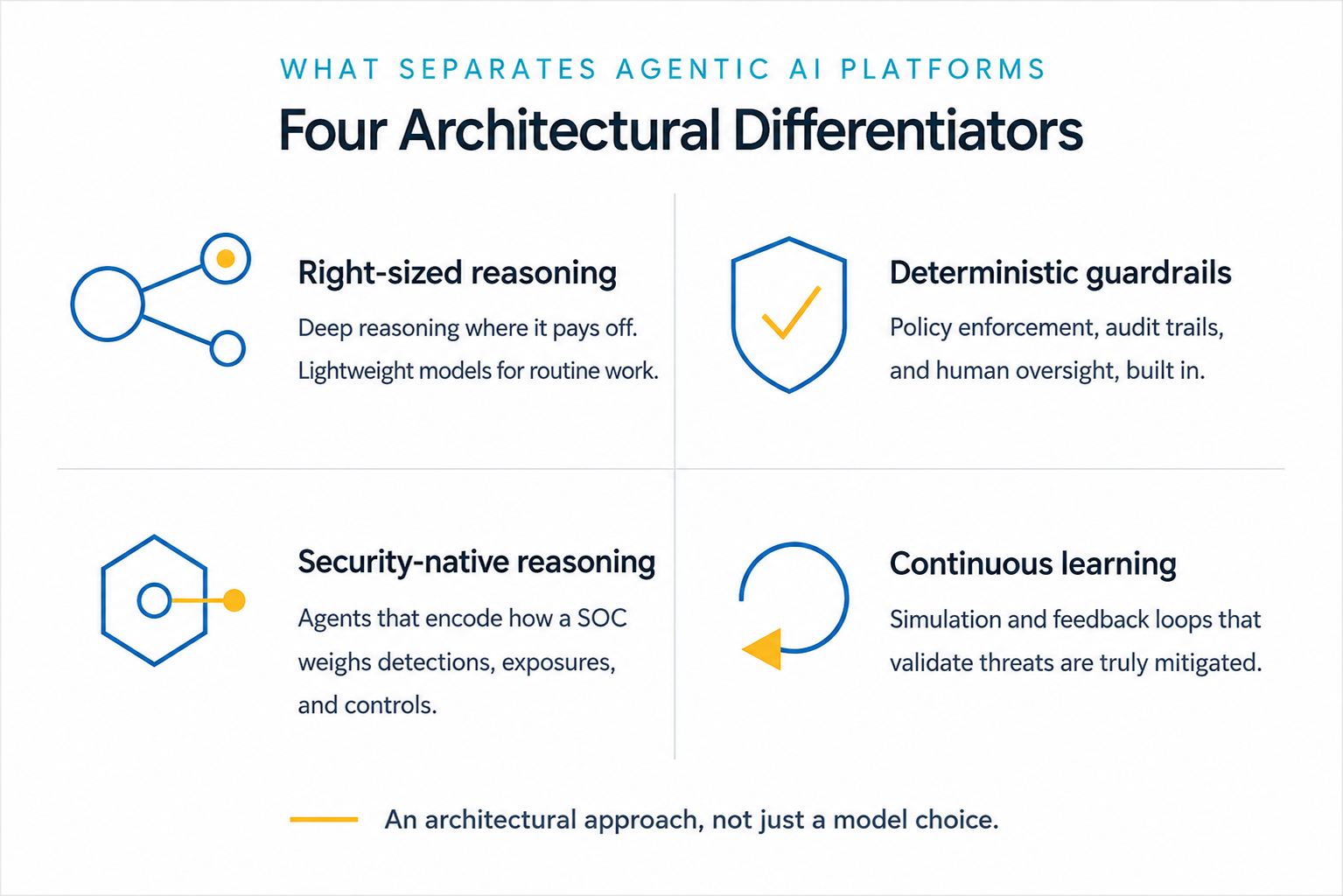
- Right-sized reasoning, not brute force. Complex investigation and attack-path analysis get deep reasoning. Routine enrichment doesn't. That's how agentic security scales without the token bill scaling faster than the value.
- Deterministic guardrails around probabilistic agents. Every Tuskira agent decision is traceable, with built-in policy enforcement and human oversight. Autonomy without auditability is a liability, not a feature.
- Security-native reasoning. Generic models don't know how a SOC weighs a noisy detection against a reachable exposure. Our agents encode that security decision logic, which is the difference between a demo and a system a CISO will trust in production.
- Continuous learning from real outcomes. We believe feedback loops and simulation are the next competitive frontier. Testing defenses against simulated attack behavior before adversaries do is core to how Tuskira validates that a threat is actually mitigated, not just ticketed.
Collectively, these themes describe an architectural approach, not just a model choice.
The questions worth asking
If you're evaluating any agentic AI platform for security operations, hold it to a high bar: Is the reasoning right-sized for the task, or is every workflow paying frontier-model prices? Can the agent show its work? Do deterministic controls bound what it can do autonomously? Does it learn from your environment over time?
Whether you're evaluating Tuskira or another platform, we think these are the right questions to ask any vendor building agentic AI for the enterprise.
Gartner clients can read the full research on gartner.com (subscription required).
See how Tuskira puts reasoning agents to work on your threat operations. Request a demo.
Gartner, Emerging Tech: AI Vendor Race — Differentiate Agentic AI Reasoning With Cost-Efficient Deployment, Vibha Chitkara, Danielle Casey, Radu Miclaus, Aapo Markkanen, Evan Zeng, Walker Black, 6 July 2026.
GARTNER is a trademark of Gartner, Inc. and its affiliates.
Gartner does not endorse any vendor, product or service depicted in its research publications, and does not advise technology users to select only those vendors with the highest ratings or other designation. Gartner research publications consist of the opinions of Gartner's research organization and should not be construed as statements of fact. Gartner disclaims all warranties, expressed or implied, with respect to this research, including any warranties of merchantability or fitness for a particular purpose.
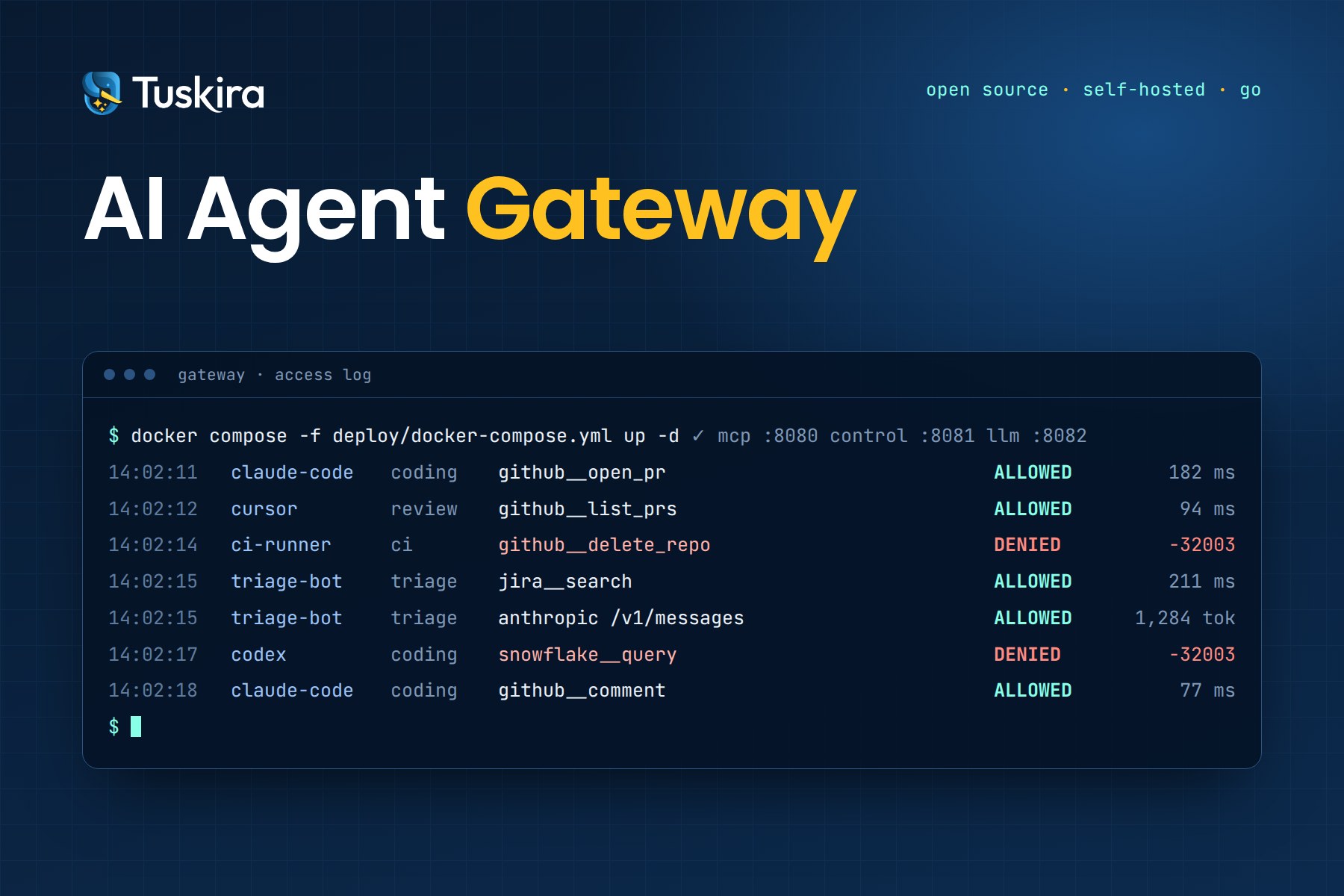
Tuskira Open Sources the AI Agent Gateway
Tuskira Named in the 2026 Gartner® Emerging Tech Impact Radar: CSP Infrastructure and Operations