Crawl, Walk, Run: The Only Safe Path to Autonomous AI
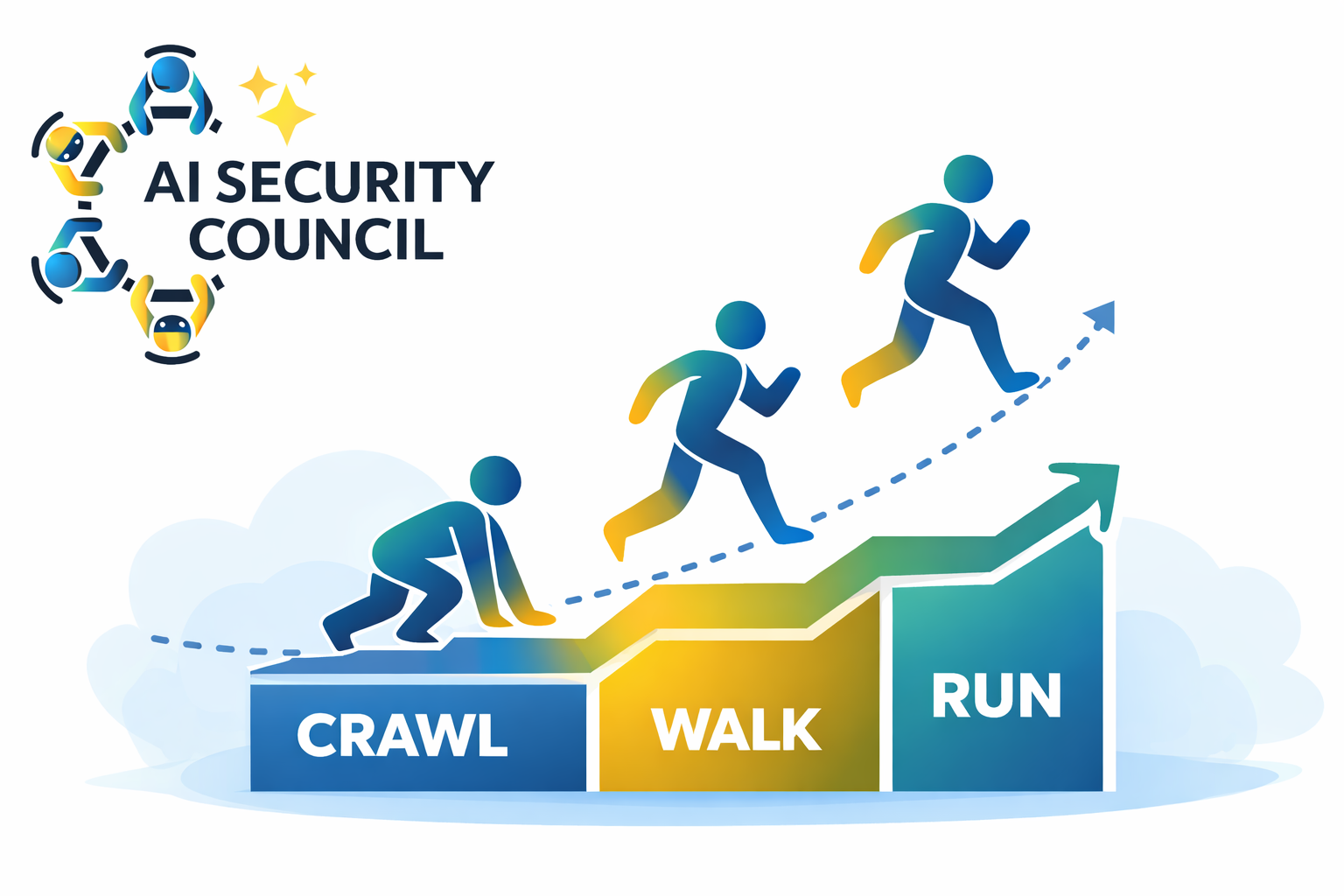
One of the strongest themes from the 2nd AI Security Council workshop was this: autonomy in cyber is not a binary decision. You are not choosing between manual operations and a fully autonomous SOC. The only defensible path is a maturity ladder. Crawl, walk, run. Each step is earned.
In the crawl phase, autonomy must be deliberately constrained. Actions should be low-impact, reversible, and easy to unwind. This is where skepticism about “Tesla Autopilot for cybersecurity” is not just healthy, it is necessary. If an AI-driven decision cannot be quickly reversed, it has no business being autonomous yet. Across the panel, the same test kept surfacing: when the system is wrong, how fast can you recover?
Progressing from crawl to walk requires evidence, not confidence. Teams need proof of consistency over time. Outputs that behave as expected. Decisions that stay within a defined scope. Guardrails that hold under stress. This is also where continuous testing becomes mandatory. AI systems drift. Inputs change. Models evolve. Unlike traditional automation, approval is not a one-time event. Autonomy has to be revalidated continuously before the blast radius or privileges expand.
The run phase is not “full autonomy” everywhere. It is targeted autonomy, applied only where trust has been earned through validation, telemetry, and operational discipline. Human oversight doesn’t disappear. It becomes more intentional, focused on high-impact decisions and exceptions rather than routine toil. The organizations that get burned are the ones that skip steps, confuse speed with maturity, and discover too late that autonomy without structure simply amplifies failure.
If you want to see how this maturity ladder translates into a day-to-day operating model, including where human approval actually belongs at each rung, we walk through the full crawl, walk, run progression in Human in Every Loop Is Not AI Governance. And you'll find upcoming AI Security Council sessions on the Council page.
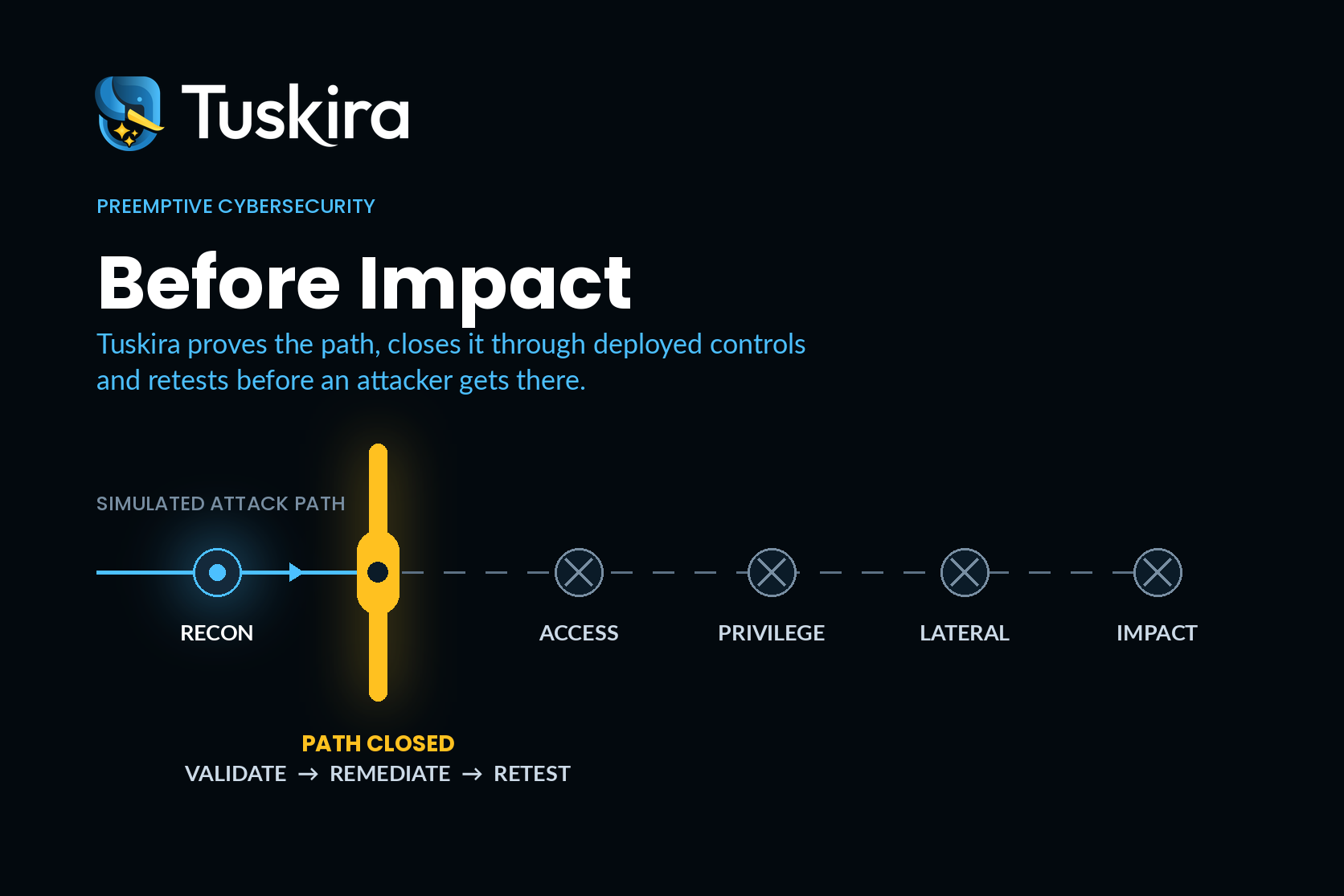
Tuskira Named in the 2026 Gartner® Emerging Tech Impact Radar: Preemptive Cybersecurity
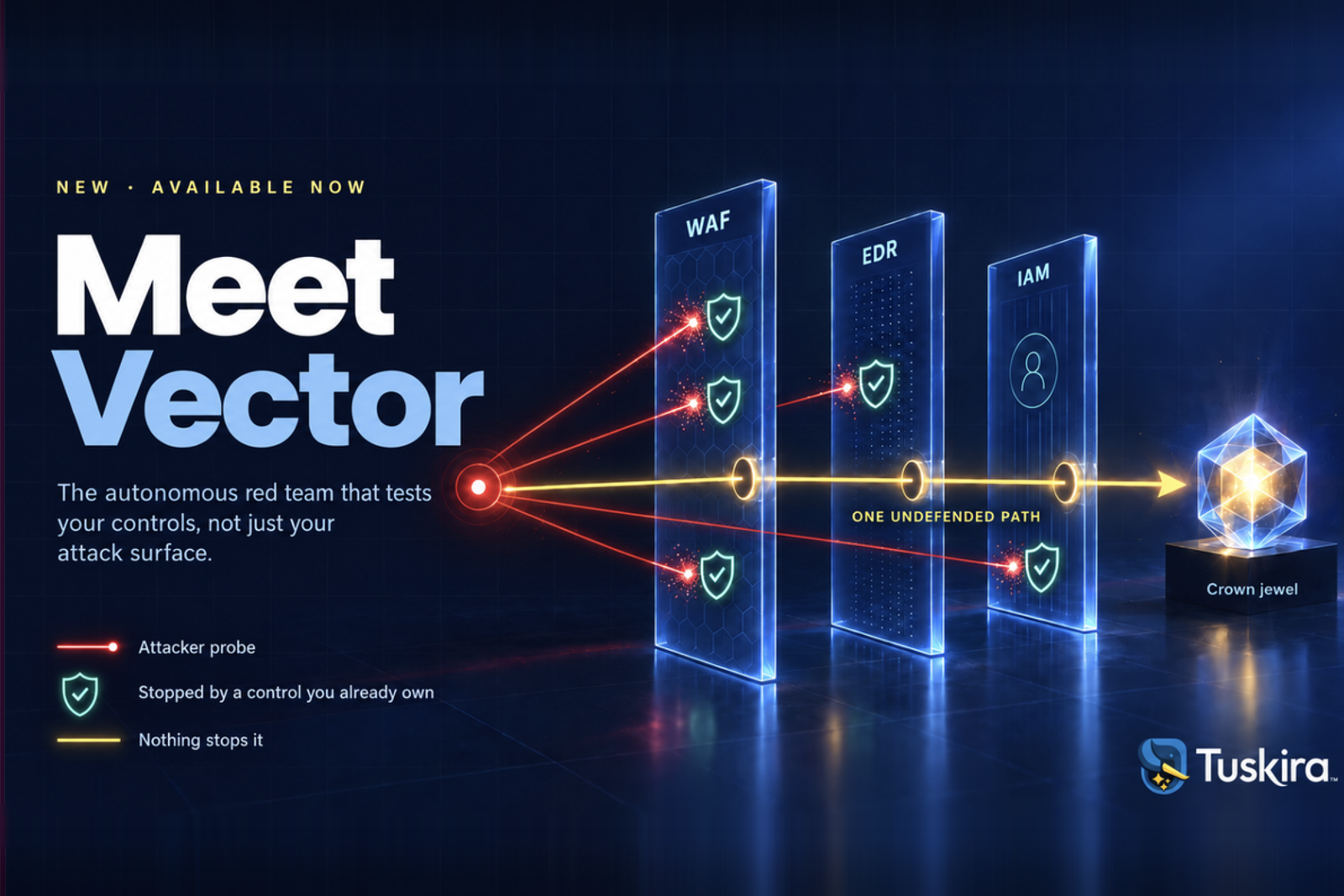
Meet Vector: Autonomous Red Teaming That Doesn't Stop at Exposed